
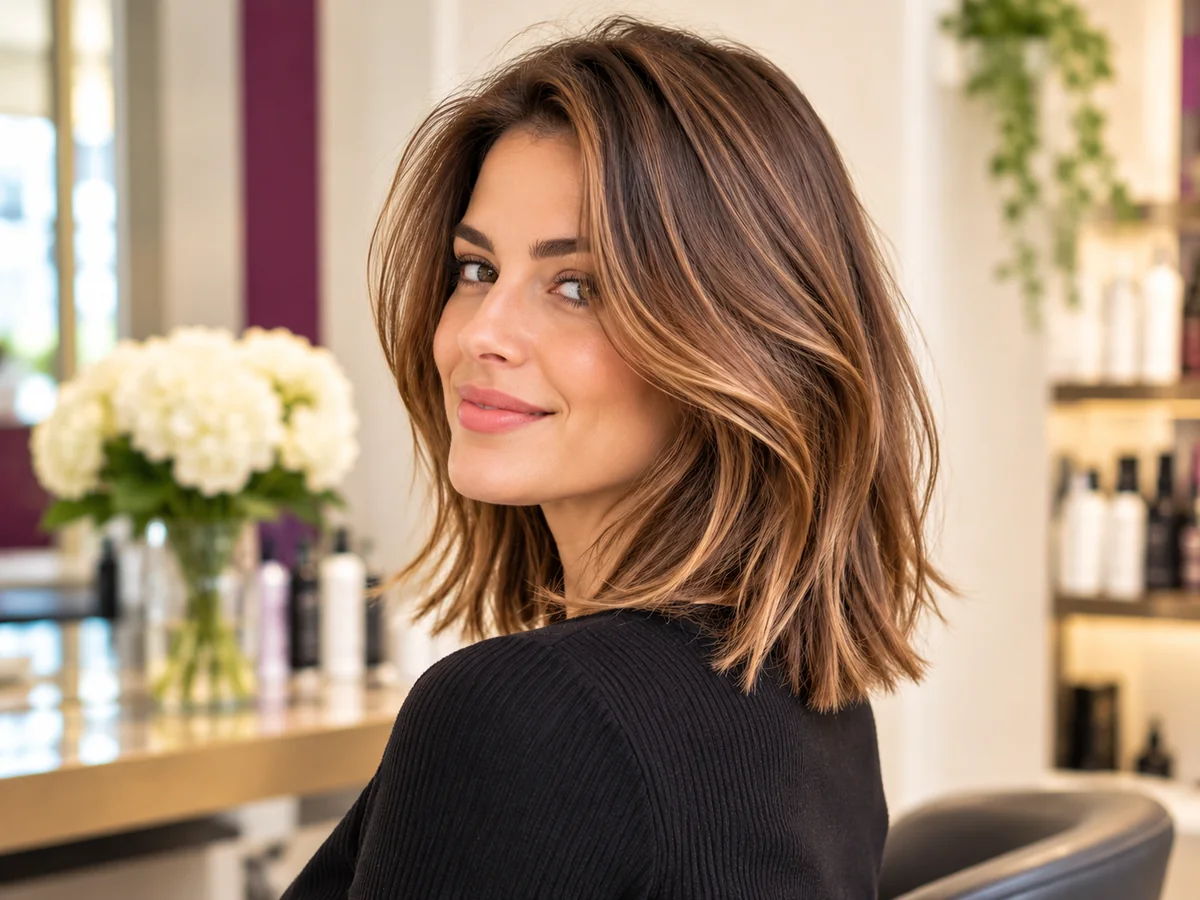
Choosing the right haircut can make fine or thin hair look fuller, easier to style and more balanced. The best option depends on your hair texture, density, face shape and preferred length. From blunt bobs to textured lobs, the right cut can create movement and the appearance of extra volume without relying on complicated styling.
At Taz Hair & Beauty, we believe a good haircut should work with your natural hair rather than force it into a style that is difficult to maintain. Before choosing a new look, it helps to understand what your hair actually needs.
What Is the Difference Between Fine Hair and Thin Hair?
Fine hair and thin hair are often used to describe the same concern, but they have different meanings.
Fine hair refers to the diameter of individual strands. Each strand is relatively small, which can make the hair feel soft and delicate. Thin hair refers to hair density: the number of strands growing across the scalp. Lower density can make the scalp more visible and the overall hairstyle appear less full.
You can have fine hair with plenty of density, thin hair with thicker individual strands, or a combination of both.
This distinction matters when choosing a haircut. Fine strands may need a shape that creates body without adding too many layers, while lower-density hair often benefits from a cut that keeps the ends looking fuller.
7 Best Haircuts for Fine and Thin Hair
The right haircut can create the appearance of more volume while keeping your hair manageable. Here are seven styles worth considering.
1. Blunt Bob
A blunt bob is one of the most useful haircuts for fine and thin hair. Its clean, even ends create a stronger outline, helping the hair appear denser.
You can choose a chin-length or jaw-length version depending on your face shape and personal preference. It also works well for people who want a neat style without spending too much time styling every morning.
2. Shoulder-Length Haircut
If you prefer to keep some length, a shoulder-length haircut offers a practical balance. It avoids the extra weight that very long hair can place on fine strands while leaving enough length for different styling options.
Ask your stylist for a shape that maintains fullness around the ends. This can be particularly helpful when your hair looks flat or wispy at the bottom.
3. Soft Layered Haircut
Soft layers can add movement and shape without removing too much weight. They are worth considering if your hair feels flat or lacks natural movement.
However, too many short or choppy layers can make lower-density hair appear even thinner. The best approach is to keep the layers subtle and suited to your hair’s natural thickness.
4. Textured Lob
A textured long bob, often called a lob, sits around the shoulders or collarbone. It gives you more styling flexibility than a short bob while keeping the overall shape manageable.
A little texture through the ends can create movement and a relaxed finish. This style is a good option if you want a modern haircut that does not require elaborate daily styling.
5. Pixie Cut
A pixie cut can work beautifully for people who prefer short hair. Removing excess length can make styling easier and help create a more lifted appearance.
There are several variations, including soft pixies, side-swept fringes and textured tops. Choose the version that complements your face shape and the amount of styling you are comfortable doing.
6. Curtain Bangs with Medium-Length Hair
Curtain bangs can frame the face and add interest around the front without changing the overall length dramatically.
They work best when the fringe is tailored to your natural density. If your hair is particularly sparse around the front, a lighter fringe may be more suitable than a thick, heavy one.
7. One-Length Medium Haircut
A one-length medium haircut keeps the ends looking solid and avoids excessive layering. It is a sensible choice for anyone who wants a simple, fuller-looking outline.
You can add a side part or gentle waves when styling to create extra movement without removing the natural weight of the hair.
Which Haircut Should You Choose for Your Hair Type?
Your ideal haircut depends on whether your main concern is fine texture, lower density or both.
| Hair concern | Haircut to consider | Why it may work |
|---|---|---|
| Fine hair with good density | Blunt bob or textured lob | Creates shape while keeping the ends defined |
| Thin hair with low density | One-length bob or medium cut | Helps maintain a fuller-looking outline |
| Fine and thin hair | Short bob or soft medium cut | Avoids excessive length and heavy layering |
| Flat hair without movement | Soft layers or textured lob | Adds movement without removing too much weight |
| Fine hair with a preference for short styles | Pixie cut | Makes styling and maintenance easier |
These are starting points rather than strict rules. Your face shape, natural growth pattern and styling habits should also influence the final decision.
Common Haircut Mistakes That Can Make Hair Look Thinner
A haircut that does not suit your hair can make it harder to achieve the appearance you want. Watch out for these common mistakes:
Too many layers: Excessive layering can remove weight and make the ends look sparse.
Keeping too much length: Very long hair may become difficult to style if the strands are fine or the density is low.
Choosing a heavy fringe: A thick fringe can take away too much hair from the sides and front.
Ignoring natural texture: A haircut that needs constant heat styling may not suit your daily routine.
Skipping regular trims: Split or damaged ends can make the overall shape look untidy.
A haircut should make your routine easier, not create more work.
How to Make Fine and Thin Hair Look Fuller After a Haircut
The right styling habits can help maintain the shape and create a fuller appearance between salon visits.
Use lightweight shampoo and conditioner that do not leave heavy residue.
Apply volumising mousse or a suitable root-lifting product when needed.
Avoid applying too much oil or heavy styling cream near the roots.
Use a round brush while blow-drying to create gentle lift.
Try changing your parting occasionally to add a little natural movement.
Limit excessive heat styling and use heat protection when using hot tools.
Small adjustments can make a noticeable difference to how your hairstyle sits throughout the day.
What Should You Discuss With Your Stylist?
Before your appointment, explain what you find difficult about your current hairstyle. Does it fall flat? Do the ends look too thin? Is your hair difficult to manage when it grows longer?
Bring a few reference photos, but remember that the same haircut can look different depending on hair texture and density. Ask your stylist how much layering is suitable, what length will be easiest to maintain and how the cut will look when styled naturally.
You can also explore our haircut and hairstyle services to find a style that suits your preferences.
If you are still deciding which shape will complement your features, our guide on how to choose the right haircut for your face shape can help you compare different options.
Frequently Asked Questions
1. What is the best haircut for fine hair?
A blunt bob, textured lob or shoulder-length cut can work well for fine hair. These styles help maintain a defined shape without relying on excessive layers. The best choice depends on your strand texture, density, face shape and how much time you want to spend styling.
2. What is the best haircut for thin hair?
A blunt bob or one-length medium haircut can help thin hair appear fuller by keeping the ends looking more solid. Very heavy layering may make the hair look less dense, so a balanced shape is often a better starting point.
3. Are layers good for fine and thin hair?
Soft layers can add movement, but too many layers may reduce the appearance of fullness. Fine hair with good density may suit more layering than hair with low density. Ask your stylist to adjust the number and placement of layers to your hair.
4. Does short hair make thin hair look thicker?
Shorter hair can appear fuller because it carries less length and weight. Bobs and pixie cuts are popular options for this reason. However, the result depends on your natural hair density, texture and the way the haircut is shaped.
5. How often should I trim fine or thin hair?
Many people find that a trim every six to eight weeks helps maintain their haircut’s shape, although the ideal timing varies with hair length, growth and condition. Your stylist can suggest a suitable schedule based on your preferred style.
6. Can a haircut make hair grow thicker?
A haircut cannot change the natural diameter of individual strands or increase the number of hair follicles. However, the right cut can make hair look fuller and more balanced. If you notice sudden or ongoing hair thinning, consider seeking advice from a qualified healthcare professional.
Find a Haircut That Works With Your Hair
Fine and thin hair do not need complicated hairstyles to look good. The right length, balanced layers and a shape that suits your natural texture can make everyday styling much easier.
At Taz Hair & Beauty, we can help you explore haircut options based on your hair type, face shape and preferred look. Book a haircut appointment with Taz Hair & Beauty and find a style that feels comfortable, flattering and easy to maintain.
